







English
This maintenance guide applies to this small diesel wheel loader with a rated load capacity of 2000kg. It is equipped with a YN38GBZ engine, four-wheel articulated drive and 16/70-20 engineering tires. Following daily, weekly, monthly and seasonal maintenance procedures strictly can extend the overall service life of the machine, reduce downtime caused by malfunctions, and ensure stable and efficient loading operations on farms, construction sites, yards and orchards. Before all maintenance and inspection work, shut down the engine and release hydraulic pressure to guarantee operation safety.
Break-in Period Maintenance for New Machines (First 60 Working Hours)
Do not operate under full load during the break-in period, and avoid long-time high-speed driving.
After the break-in period ends, fully tighten all bolts of transmission shafts, drive axles and wheel rims, replace the initial engine oil and filter elements, and refill grease at all machine lubrication points.
Daily Maintenance (Before and After Each Operation)
1.1 Pre-operation Full Machine Inspection
1. Check the engine oil level. Pull out the oil dipstick; the oil level must stay between the upper and lower scales of the dipstick. Add special diesel engine oil of the same model if oil is insufficient. Replace the oil immediately if it turns black or contains impurities. This machine is fitted with a YN38GBZ vertical inline water-cooled four-stroke diesel engine, which outputs 76KW power at a rated speed of 2400 rpm. Sufficient and clean engine oil is the foundation for stable power output of the engine.
2. Check the coolant level of the radiator. Add antifreeze coolant in winter and clean soft water in summer. Insufficient coolant will lead to engine overheating and sharp power loss, making long-hour full-load operation impossible.
3. Inspect the fuel tank and fuel filter. Check all oil pipe joints for leakage, and drain accumulated water at the bottom of the fuel filter to prevent water from mixing into diesel and damaging the oil pump and fuel injector.
4. Check the hydraulic oil level. Observe the liquid level through the sight glass of the hydraulic oil tank; replenish hydraulic oil if the level is below the standard scale. Fully inspect all hydraulic pipelines of the lifting arm and bucket for oil seepage or pipe cracking, and tighten loose pipe joints. The maximum dumping height of this machine is 3500mm, and an intact and stable hydraulic system is the core component for lifting and dumping operations.
5. Check tire condition. Maintain standard air pressure for the thickened wear-resistant 16/70-20 engineering tires, and check the tread for cracks or embedded stones and nails. Uneven tire pressure will increase the minimum turning radius of 3750mm and reduce driving stability. Insufficient tire pressure will also lower the ground clearance of 310mm, making the chassis prone to scratches when passing bumpy and muddy roads.
6. Inspect the brake system. Step on the brake pedal to test brake sensitivity, check the liquid level of the brake fluid reservoir, and confirm no air or oil leakage in the brake pipeline.
7. Check all fasteners of the whole machine. Tighten loose bolts on the bucket, lifting arm, drive axle and frame, focusing on wheel hub fixing screws and bucket tooth mounting bolts. The bucket width of this machine is 2050mm, and loose bucket accessories will cause massive material spillage during loading and transportation.
8. Check electrical equipment in the cab. Test headlights, turn signals, rear warning lights and horns to ensure normal lighting for night operations on construction sites and farms.
1.2 Post-operation Cleaning & Simple Maintenance
1. Fully clean the whole machine to remove mud, feed residues, sand and gravel attached to tires, chassis and bucket. Long-term mud accumulation will corrode steel plates and block engine heat dissipation structures.
2. Clean dust on the outer shell of the engine air filter, and blow away debris with an air gun to prevent dust from being sucked into the cylinder and aggravating internal engine wear.
3. Park the wheel loader on flat hard ground, lower the bucket fully to touch the ground, release all hydraulic pressure of the system, pull the handbrake and shut down the engine.
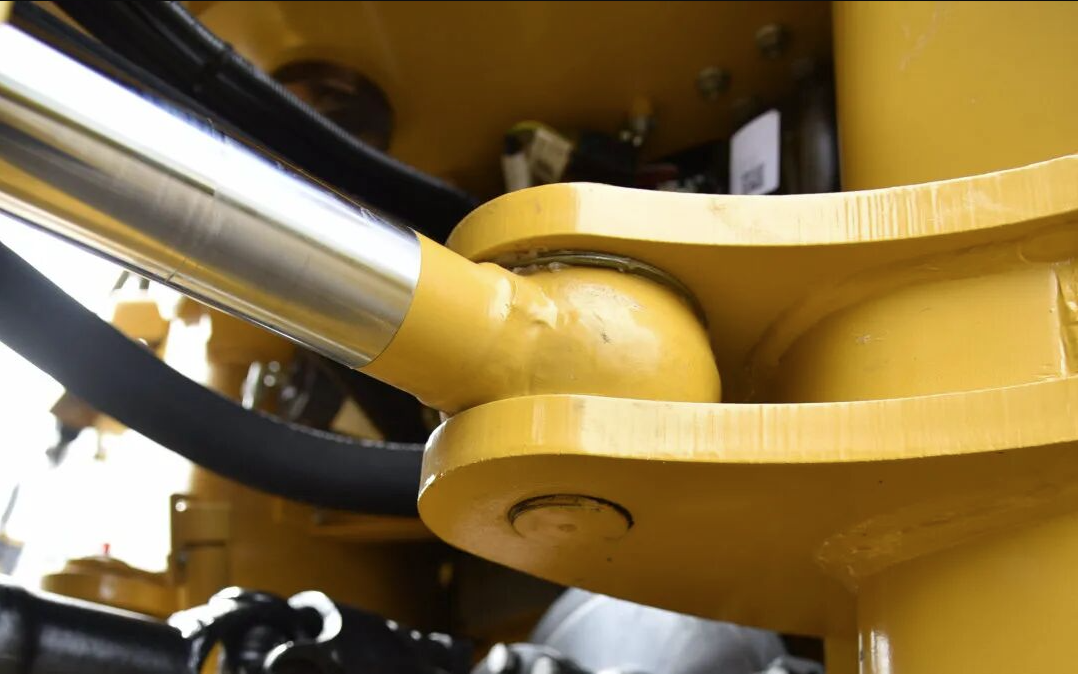
4. Wipe the exposed piston rod of the hydraulic cylinder to avoid sand and stone scratches on the oil seal leading to continuous oil leakage.
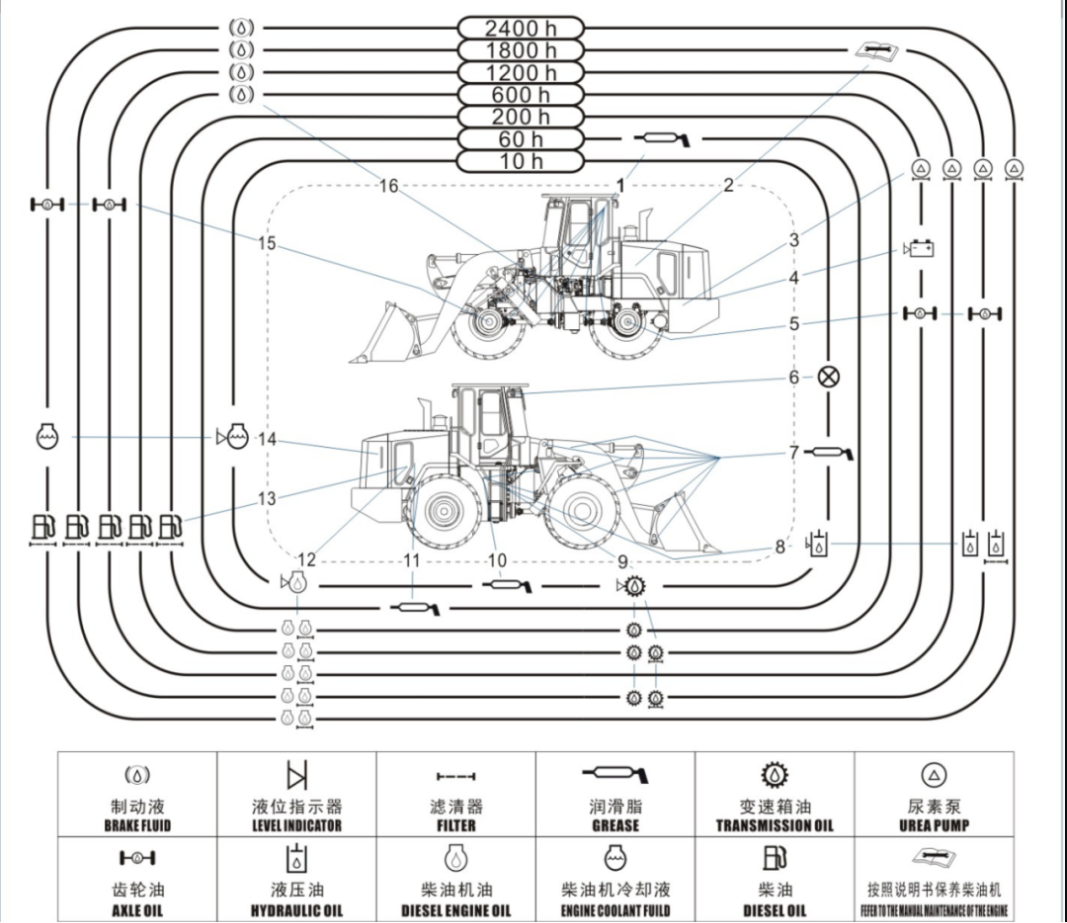
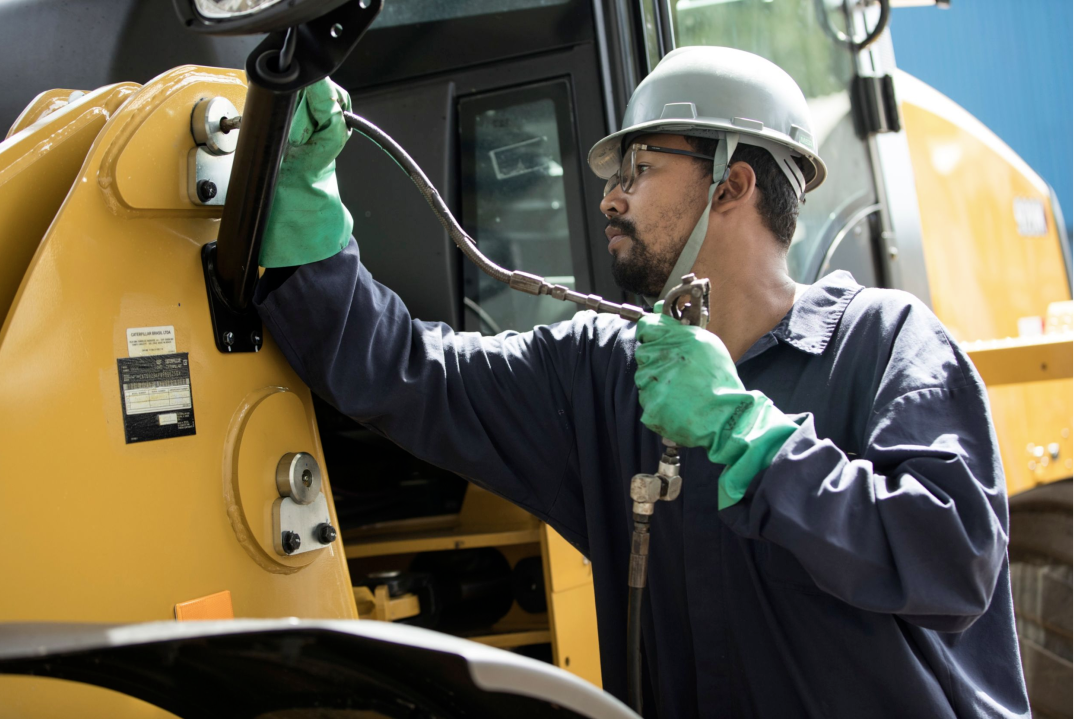
5. Fill lithium-based grease into the grease nipples of lifting arm hinge points, bucket hinge positions and steering joints to reduce metal friction loss and eliminate abnormal operation noise.
Weekly Maintenance (Every 50 Cumulative Working Hours)
1. Replace the engine oil filter, completely drain old engine oil, and add brand-new special engine oil matching the YN38GBZ model.
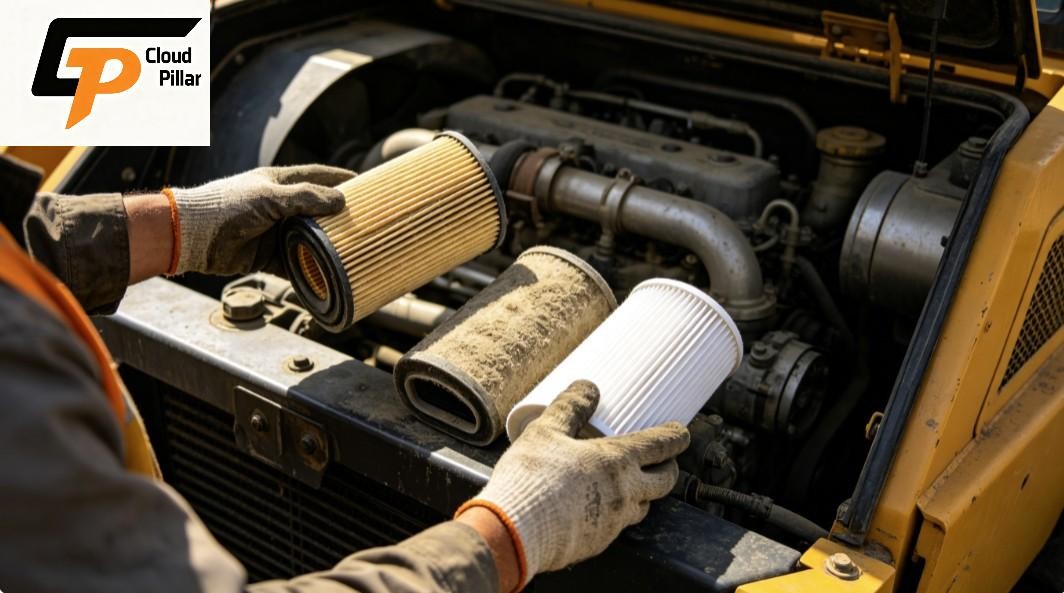
2. Disassemble and clean the engine air filter element, blow out internal dust with compressed air; replace with a new filter directly if the filter is damaged or heavily covered with dust.
3. Drain accumulated water and sediment at the bottom of the fuel tank and fine fuel filter.
4. Inspect the YJ1-265 torque converter transmission system, check the transmission oil level, and observe whether the oil contains metal debris or peculiar smells. This machine is equipped with 4 forward gears and 4 reverse gears. Deteriorated transmission oil will cause gear shifting jamming, and the maximum driving speed cannot reach 30km/h.
5. Fill sufficient lubricating grease at all movable hinge points, including drive axle steering hinges, upper and lower hinges of the lifting arm, and bucket rotating hinges.
6. Overhaul the drive axle assembly. Check whether the single-stage arc bevel gear main reducer and single-stage planetary reduction mechanism have oil leakage, and replenish special gear oil if the oil volume is insufficient. Verify the wheelbase of 2350mm and track width of 1560mm to confirm no deformation or offset of the axle.
7. Tighten all pipe clamps, and recheck hidden leakage points of hydraulic cylinders, fuel pipes and brake pipelines.
8. Test the loading performance of the whole machine, repeatedly lift the bucket to the maximum dumping height of 3500mm, and confirm stable lifting speed without bucket self-sinking failure.
Monthly Maintenance (Every 200 Cumulative Working Hours)
1. Complete all weekly maintenance items, and replace the fine fuel filter and hydraulic return oil filter.
2. Replace all hydraulic oil and clean sediment and metal debris inside the hydraulic oil tank. Dirty hydraulic oil will block the multi-way valve block and affect the loading efficiency of the standard 1.2m³ bucket capacity.
3. Disassemble and clean the engine radiator, remove mud and ash accumulated between cooling fins to guarantee heat dissipation efficiency and prevent engine overheating alarm under 2000kg full-load working conditions.
4. Disassemble and clean brake calipers, remove dust and brake pad wear debris, adjust brake clearance to maintain brake sensitivity.
5. Check the battery liquid level and electrode terminals, wipe off oxide layers on electrodes, and tighten wiring terminals to avoid power failure and flameout during operation.
6. Overhaul the hinge steering frame pin shaft, fill wear-resistant lubricating grease, and test steering flexibility to ensure the small turning radius of 3750mm for flexible operation on narrow orchard and farm paths.
7. Calibrate the standard air pressure of four tires uniformly. Repair small tire cracks in time to prevent tire blowout during heavy-load driving.
8. Inspect all welding positions of the frame and lifting arm, and repair tiny cracks with supplementary welding reinforcement to avoid structural deformation and fracture caused by long-term pressure of the 5000kg overall machine weight.
Seasonal Maintenance & Long-term Storage Care
4.1 Special Low-temperature Maintenance in Winter
1. Replace low-viscosity winter engine oil, transmission oil and hydraulic oil, and add antifreeze coolant to the radiator to avoid pipeline and radiator cracking under low temperature.
2. Increase the frequency of greasing all movable parts. Lubricating grease will harden under low temperature, aggravating dry friction loss of parts.
3. Park the wheel loader in an indoor warehouse as much as possible, and cover the whole machine with waterproof and dust-proof tarpaulin. Release a small amount of air pressure from tires to prevent hardening and cracking of rubber under low temperature.
4. If the machine is idle for a long time in winter, start the engine and run it for 10 minutes every 3 days to circulate oil in all systems and prevent oil solidification and pipeline blockage.
4.2 Long-term Storage Maintenance (Shutdown for More Than 1 Month)
1. Thoroughly clean the whole machine, and completely drain old engine oil, hydraulic oil, transmission oil and radiator cooling water.
2. Fill brand-new oil into all systems, and coat anti-rust lubricating grease on cylinder piston rods, bucket metal surfaces and all exposed steel parts of the machine.
3. Inflate tires to standard air pressure, pad wooden blocks under the chassis to lift the machine and keep tires off the ground, eliminating long-term static compression deformation of tires.
4. Disconnect the negative wire of the battery, remove the battery and store it in a dry and warm warehouse, and charge it once every 15 days.
5. Lower the bucket fully to the ground to release all hydraulic pressure, park the machine in a dry and ventilated warehouse, and cover it with dust-proof and waterproof tarpaulin.
6. Before reusing the machine after long-term storage, complete a full set of monthly maintenance inspections, replace all filter elements, and conduct no-load and full-load test runs to confirm normal equipment operation.
Address:No. 268 Yuhe Road,Weifang City, Shandong Province China.
Email:davidcp712@gmail.com
©2009-2026 Weifang CP Machinery Co.,LTD. All Rights Reserved. Privacy Policy | Terms of use |